In the early 16th century,
peddlers known as ‘libraires forains’ wandered along the river Seine’s banks
selling their wares. However, these traveling booksellers were soon banned
after accusations that they sold pamphlets from the Protestants targeting the
church and the government.
Later on, some of them were reinstated under approval, and allowed to display
books in allocated stalls on the Pont Neuf – and that’s when the tradition of
second-hand booksellers in France began. Today, the stretch of land where the
booksellers are located has been declared a UNESCO World Heritage site.
The Paris bouquinistes have also inspired booksellers in many other cities,
including Beijing, Tokyo, and Ottawa.
The Importance of the Bouquinistes to the History and Tourism of Paris
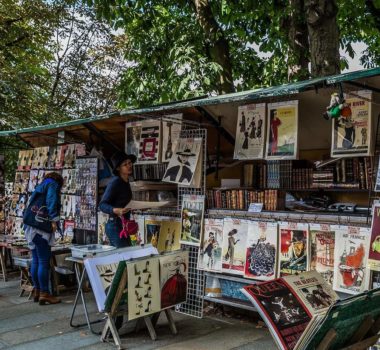
The booksellers of Paris play a very important role in the history and tourism of France’s capital, but their activity is threatened by the advent and ever-increasing use of the internet. Old book sales continue to decline as fewer people take the time to read physical books and magazines these days.
In an effort to achieve acceptable revenue and ensure their continued survival, the booksellers have diversified their offerings to include various types of tourist merchandise, although this is limited to one out of four boxes allocated to each seller by the city.
Another explanation for the booksellers’ loss of revenue is the recent creation of the pedestrian precinct which is located along the river’s lower banks. In truth, the upper banks do have a lot of noise from cars, trucks, and buses that pass on the main road and that does make it less attractive than the quieter lower banks.
As you can see, the bouquinistes are important symbols of the historic and literary patrimony in Paris. Their massive ‘open-air bookshop’ is a big part of the Parisian landscape. But now these storied bookstalls are fighting for survival, and without them, a lot of the Seine’s charm will be lost.
The Bottom Line
It’s not by choice that the booksellers are peddling less lofty merchandise, but you’re still likely to find real, undervalued discoveries here including some interesting second-hand books from centuries past at extremely attractive prices. So on your next trip, take a stroll along the banks of the Seine and get ready to start bargaining!